
Equipment Configuration Scheme for 2000 Ton Per Day Mining Production Line for Large Scale Alluvial Gold Mine
Open‑pit alluvial gold mines feature loose ore materials and fully liberated gold grains; crushing and grinding are not required. Gold recovery can be achieved via mature gravity separation processes, featuring short commissioning cycles and lower comprehensive operating costs. A daily processing capacity of 2000 tons represents a critical scale for large‑scale open‑pit alluvial gold projects. Instead of simply piling up equipment, the production line demands systematic matching according to clay content, gold grain size and site conditions of the mining area. Otherwise, problems such as gold loss by washing‑out, material blockage and failure to reach designed throughput are highly likely to occur.
I. Core Process Concept
The mainstream workflow for a 2000‑ton‑per‑day open‑pit alluvial gold mine: Raw ore feeding → Ore washing and screening → Rough separation and concentration → Scavenging for fine‑grained gold recovery → Concentration and purification → Gold concentrate output and tailings disposal.
The whole production line adopts physical gravity separation without adding chemical reagents. Water is recycled, complying with requirements for green mine construction. For open‑pit mines, two major pain points should be addressed: clay‑coated gold grains and classified recovery of gold grains of varying sizes. For mining areas with high clay content, the ore‑washing procedure must be strengthened to prevent fine gold from being lost along with mud slurry.
II. Equipment Configuration and Functions of Each Section
1. Ore Feeding, Washing and Screening Section
Its core function is to separate large gravel lumps and break up clay agglomerates.
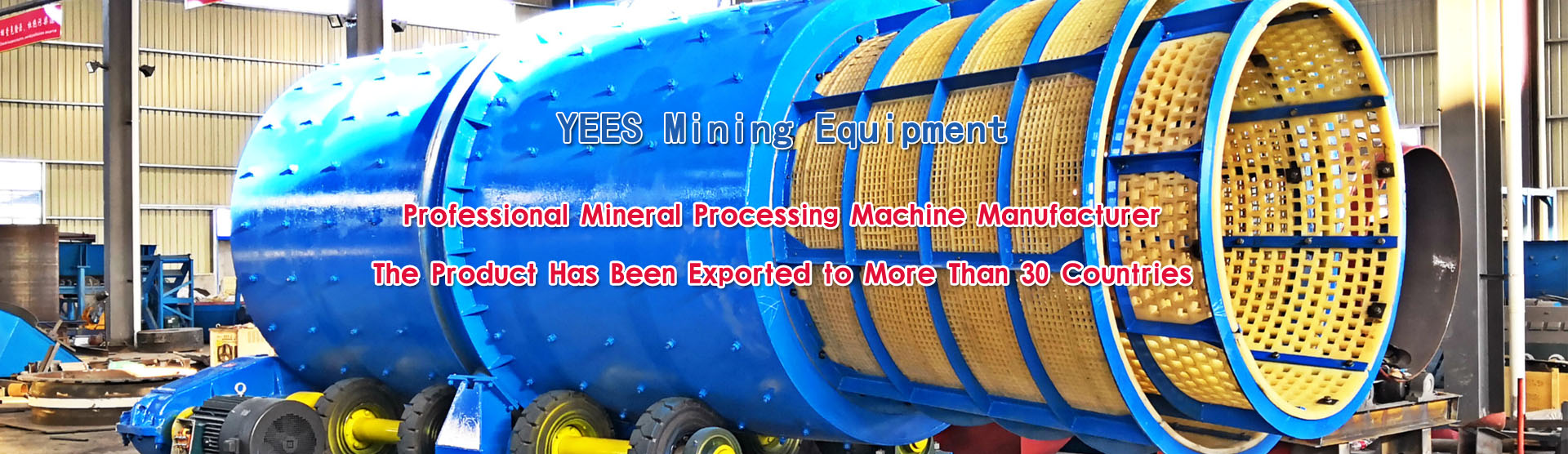
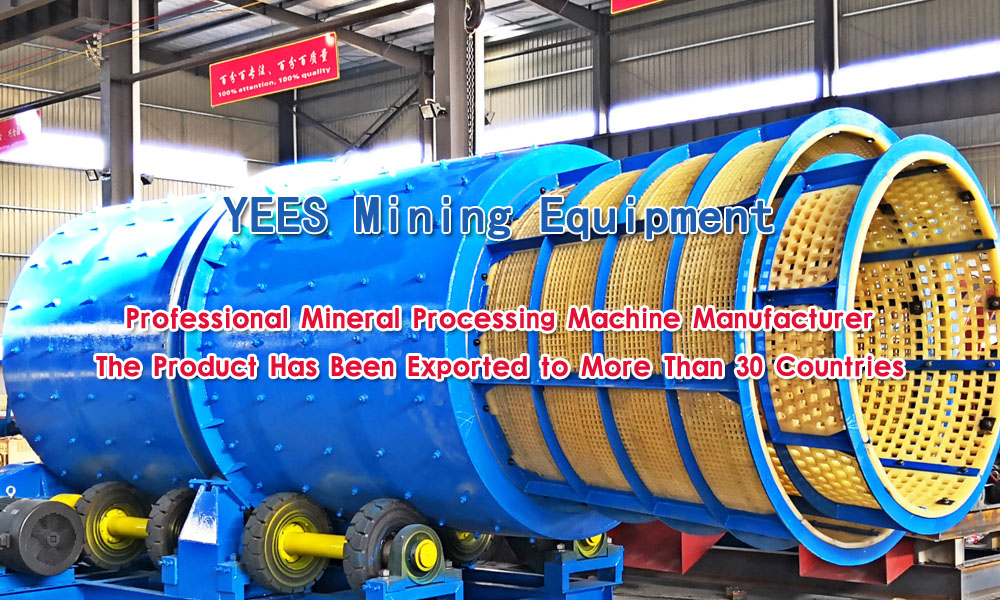
Raw ore is dumped into the silo by loaders or dump trucks and flushed by high‑pressure water cannons into the rotary washing machine (rotary trommel screen). High‑pressure water spray rinses raw materials and breaks up clay lumps. Gravel larger than 10 mm is directly screened and discharged, while fine‑grained ore slurry flows into the next process.
For the 2000‑ton‑per‑day working condition, high‑throughput rotary scrubber trommel washing equipment is preferred.
On site work video: https://yeesmachine.com/cases/431.html
2. Rough Separation Section
After screening, ore slurry enters the rough‑separation unit. A combined setup of centrifugal gold concentrator and vibrating sluice is the mainstream option, enabling recovery of both coarse‑grained and medium‑grained gold. The vibrating sluice handles large‑particle gold‑bearing ore materials, whereas the centrifugal machine rapidly concentrates medium‑to‑fine‑grained gold. Suitable for large‑scale continuous production, this setup collects rough concentrates for subsequent processing.
3. Scavenging Section
Rough‑separation tailings still carry part of micro‑fine gold grains, which is a major source of revenue loss for many mines. Tailings are diverted to sluice boxes for scavenging operations to capture flaky gold and micro‑fine gold grains escaped from centrifugal machines and vibrating sluices, minimizing gold loss in tailings and directly improving the overall recovery rate.
4. Concentration Section
Rough concentrates are fed into 6S fiberglass shaking tables for concentration. Leveraging specific gravity differences, heavy minerals are separated from impurities to produce high grade gold concentrates and complete gold concentration and purification.
5. Tailings and Water Circulation System
The production line is equipped with tailings discharge facilities, sedimentation tanks and a circulating water‑supply system. Process water is reused to reduce water consumption.
III. Practical Pitfall‑Avoiding Tips for Equipment Selection
Do not copy configurations from other mining sites blindly. Mining areas differ greatly in clay content and gold grain size; the same equipment set will deliver poor performance when relocated to another mine site. Adopt the principle of “one custom‑tailored solution per mine”.
Attach great importance to ore washing and desliming. For high clay mining areas, simplified ore washing procedures will cause substantial gold loss carried away by mud slurry and a sharp drop in recovery rate.
Reserve production capacity redundancy for equipment selection. Fluctuations in raw ore grade and ore viscosity are common; selecting equipment strictly for full load conditions easily leads to material jams and reduced throughput.
Prioritize wear‑resistant materials for wearing parts. Open‑pit operations suffer severe abrasion from sand and silt. Wear‑resistant components cut downtime for repairs and sustain continuous production.
IV. YEES Mining Equipment
YEES Mining Equipment Manufacturing Factory specializes in R&D and manufacturing of complete mineral‑processing equipment for alluvial gold, tantalum, niobium, tungsten, tin and other minerals. It has full‑set delivery capability for 2000‑ton‑per‑day complete production lines for large‑scale open‑pit alluvial gold mines. Customized complete processes and equipment configurations can be provided based on ore‑sample data, mine terrain and clay content.
Its product portfolio covers a full range of gravity‑separation equipment including rotary ore‑washing machines, rotary screens, centrifugal gold concentrators, jigs, shaking tables and agitating chutes. All machines are treated with wear‑resistant processes to adapt to complex mine conditions across China and multiple African countries, featuring stable operation and controllable operation‑maintenance costs.